
Book 01 Review - Alaya's Origin Through 3 Lenses | Analysis
Book 01: Stories from Kidonya analyzed through publisher, editor & audience lenses. Foundation for 25-book saga. Professional editorial review of fantasy debut.
The Harmonya Team
12/31/20258 min read
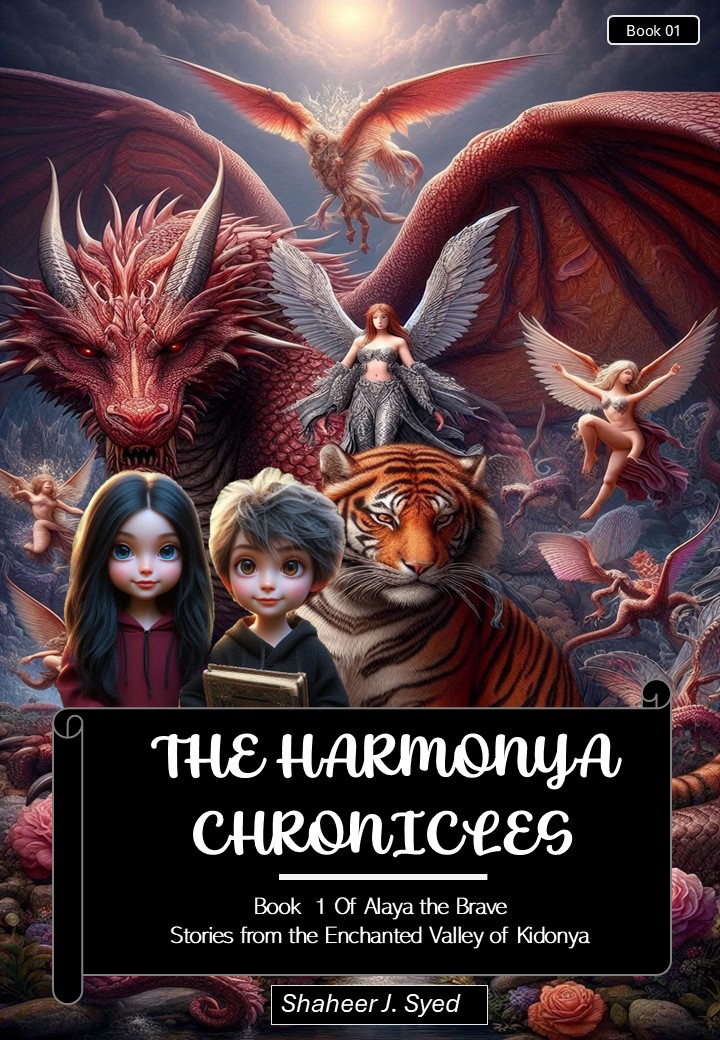
This review examines Book 01: Of Alaya the Brave through three professional perspectives: the Publisher evaluating commercial and franchise potential, the Editor analyzing narrative craft and series architecture, and the Audience assessing reader experience and emotional impact.
This analysis serves media industry professionals considering The Harmonya Chronicles for adaptation, as well as readers seeking insight into this philosophically-grounded fantasy saga. The review references the companion works that form the saga's theoretical foundation: After the Choice: A Framework for Post-Decision Ethics, The Powerful Place, The Warrior's Handbook of Light, and A Story Called Life (Books 1 & 2).
THE PUBLISHER'S LENS
Market Position & Franchise Architecture
Book 01 functions as the foundation stone of a 25-book planned saga, with 11 books already published—a rarity in fantasy publishing. Where most series arrive with 1-3 books and hopeful outlines, The Harmonya Chronicles presents substantial completed material supported by a 263-page IP Bible, 33 original musical tracks, and five philosophical companion works. This level of preparation is uncommon at the pre-adaptation stage.
The book introduces 10-year-old Aaloo (later Alaya) in the magical village of Kidonya—a deliberate entry point that allows younger readers (ages 8+) to grow alongside the protagonist across subsequent volumes. The narrative structure establishes a clear pattern: character-driven storytelling grounded in wonder and discovery, gradually expanding into mythological complexity. This scalability creates natural demographic reach from middle-grade through young adult into adult audiences.
Commercial Viability & Episodic Structure
The book's chapter organization provides natural episodic breaks: "The Girl Who Wanted to Change Her Name," "The Moon Party," "Magic in the Rain," "The Unicorn Adventure," "The Magic Thorn and Tora the Tiger." Each functions as a self-contained story while advancing the larger awakening narrative. For television adaptation, this translates to 8-10 episode potential with clear emotional peaks and cliffhangers.
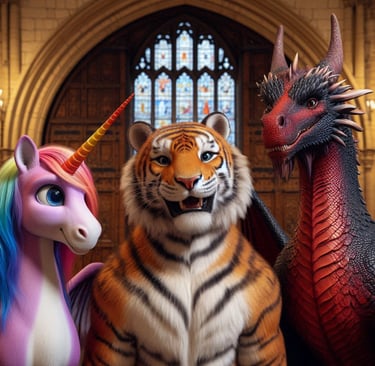
The world-building introduces core elements systematically: Kidonya's fairy-blessed naming customs, the Enchanted Forest of Eleanor, magical companions (Tora the tiger, Alyna the unicorn, Itcan the panther), and the prophesied Seven Warriors. By book's end, readers understand the stakes without overwhelming exposition—a crucial balance for pilot material.
Urgency Factor: Production-Ready Foundation
This book exists within a 25-book planned framework, with 11 books already published and available. The mythology is established. Character arcs are mapped. The magic system has defined rules. Studios evaluating this property encounter significantly reduced development risk—substantial source material exists now, with clear roadmap for future volumes.
All adaptation rights remain unified under single creator ownership. The music integration (33 tracks across the saga) provides soundtrack foundations from day one. The philosophical framework offers critical legitimacy rarely present in fantasy properties. Combined with the fully illustrated children's edition and 20-year franchise roadmap, the commercial infrastructure is remarkably advanced for a property seeking its first screen partner.
THE EDITOR'S LENS
Narrative Structure & Accessibility
Book 01 employs a deliberate coming-of-age structure rooted in Joseph Campbell's hero's journey, adapted for younger readers. The opening chapter—a child's desperate desire to change her name—establishes relatability before introducing magic. This grounds fantasy in emotional authenticity, a technique consistent with the companion work A Story Called Life, which emphasizes lived human experience within grand narratives.
The prose maintains accessibility while avoiding condescension. Sentences balance whimsy ("fairies who sprinkle colour confetti") with genuine stakes (the Seven-Seven-Seven eclipse prophecy, the awakening of ancient warriors). The author's voice invites rather than lectures, trusting readers to follow narrative threads without excessive hand-holding.
Character Development & Arc Positioning
Alaya's transformation from "Aaloo" (a name she despises) to "Alaya the Brave" provides the book's emotional spine. The fairy-guided naming ritual becomes metaphor for self-discovery—a theme that resonates throughout the saga. Her partnership with Daniyal (introduced as "the boy who wanted to grow up quickly") establishes the Fellowship dynamic that defines later volumes.
The introduction of magical companions—each with distinct personalities and purposes—creates ensemble depth early. Tora the warrior tiger, Alyna the unicorn, and Itcan (later revealed as the mighty panther Zephyr) aren't mere magical pets but characters with agency. This ensemble-building approach, evident from Book 01, demonstrates the series' long-term architectural planning.
Pacing & Momentum
The book accelerates gradually. Early chapters prioritize wonder and exploration. Mid-book chapters introduce danger (the crimson dragon Hino's test, the mysterious pink thorn). Final chapters expand scope dramatically—the prophecy of Seven Dragons in the sky, the Master's arrival, the eclipse preparation. This crescendo creates natural momentum into Book 02 without feeling rushed.
The philosophical underpinning—drawn from The Powerful Place's concept of awareness preceding action—manifests subtly. Alaya doesn't simply gain powers; she awakens to her identity through choice and consequence. The fairies grant her a new name only after her journey proves her courage. This "earned transformation" model recurs throughout the saga, reflecting the ethical framework articulated in After the Choice: A Framework for Post-Decision Ethics.
World-Building Consistency
Kidonya establishes the saga's tonal foundation: magic exists but follows rules. Fairies bless newborns with names, but those names can change only through extraordinary journey. Animals speak throughout Harmonya, possessing wisdom and agency. The Enchanted Forest of Eleanor holds ancient power, but access requires respect. These boundaries create narrative coherence—crucial for a saga spanning 25 books and multiple kingdoms.
The introduction of the Sacred Order of Novus (the wise masters who train warriors) and the first hints of Malakar (the fallen god who threatens all creation) provide scaffolding for later complexity without overwhelming Book 01's scope. Readers finish with enough context to understand stakes while remaining curious about unexplored territories that will unfold in subsequent volumes.
Craft Quality
The prose demonstrates polish. Dialogue feels age-appropriate without being simplistic. Descriptive passages balance sensory detail with forward momentum. The author's background in music composition appears in rhythmic sentence structures—particularly in emotional beats where cadence enhances impact.
One editorial strength: the book trusts silence. Not every moment requires explanation. When Alaya stands before the fairy circle for her renaming, the text allows the scene to breathe. This restraint, uncommon in debut fantasy, suggests authorial confidence born from the 15+ years of development documented in the IP Bible.
THE AUDIENCE'S LENS
Emotional Journey & Engagement
Book 01 succeeds because it begins with universal childhood pain: feeling trapped by an identity you didn't choose. Aaloo's tears over her name aren't trivial—they're existential. Every child who's felt misunderstood by adults recognizes this anguish. The fairy quest becomes metaphor for the search for authentic self, making Alaya's transformation deeply satisfying.
The relationships feel earned. Baba (Alaya's father) embodies patient wisdom without becoming a plot device. His willingness to journey six days into an enchanted forest simply because his daughter needs to try speaks to parental love's quiet heroism. His eventual absence (hinted at through narrative foreshadowing) will resonate emotionally because the foundation is solid.
The friendships—with Daniyal, with magical companions, with the fairy godmother Eleanor—introduce the "found family" theme that defines the Fellowship of Seven. Readers invest in these bonds before knowing they're watching legendary warriors assemble.
Philosophical Depth Without Burden
The companion philosophical works (The Powerful Place, The Warrior's Handbook) inform rather than intrude. Young readers experience an adventure story. Adult readers recognize deeper architecture: Alaya's journey reflects The Powerful Place's teaching that awareness precedes action. She must understand who she is before becoming who she's meant to be.
The "Floodgate Philosophy" introduced subtly in Book 01—the idea that true strength lies not in power unleashed but in restraint maintained—connects to The Warrior's Handbook principle that "responsibility deepens after victory." These themes will resonate more powerfully in later books, but their seeds are planted here without didacticism.
Accessibility for Newcomers
Book 01 requires no prior knowledge. The Kidonya valley setting provides soft entry into a larger world. Magical elements introduce gradually: fairies first, then unicorns, then warrior tigers, then dragons. By the time cosmic stakes appear (the eclipse, the Seven Warriors prophecy), readers have acclimated to wonder.
The fully illustrated children's edition extends accessibility further, allowing even younger readers (ages 5+) to enter the saga. This demographic flexibility strengthens franchise potential—families can experience the story together across formats.
Satisfaction Factor & Rereadability
Book 01 provides closure (Alaya receives her new name, bonds with companions, survives Hino's test) while establishing forward momentum (the Master arrives, the eclipse approaches, legends awaken). The balance satisfies without feeling manipulative.
Rereading reveals foreshadowing: Tora calls Alaya "the brave one" before she earns that title. The pink thorn—seemingly a simple gift—connects to later mythology. Daniyal's impatience to "grow up quickly" mirrors his eventual role as the ancient sorcerer Aetherion. These layers reward close reading without being essential to first-time enjoyment.
Discovery Moment: Read Before the Adaptation
Substantial published material is available now, with a clear long-term roadmap. No waiting years between volumes for what's already released. No wondering about completion—the commitment and trajectory are established. Readers can dive deep immediately with confidence in the saga's direction.
When adaptation arrives (and the production infrastructure suggests when, not if), early readers will possess knowledge that newcomers won't. This "ground floor" positioning creates community value. Book clubs benefit from introducing the saga now, before mainstream visibility shifts the conversation.
VERDICT FOR MEDIA ADAPTATION: 9/10
Book 01: Of Alaya the Brave serves as exceptional pilot material for a fantasy franchise. It balances accessibility with depth, establishes compelling characters before expanding mythology, and demonstrates narrative discipline rare in series beginnings.
For studios: this book represents the entry point into a 25-book planned universe (11 already published) supported by unprecedented development infrastructure—263-page IP Bible, 33 original musical tracks, 5 philosophical companion works, 15+ years of cohesive worldbuilding. The episodic structure and natural demographic scalability create clear adaptation pathways.
For readers: this book offers an emotionally authentic adventure about a child discovering courage, identity, and purpose. The philosophical framework elevates rather than weighs down. Substantial published material allows immediate deep immersion with confidence in the saga's long-term vision.
The integration of philosophical depth from companion works positions The Harmonya Chronicles as more than entertainment—it's a transmedia experience designed to resonate across formats and age groups, rare in fantasy and virtually unprecedented in properties seeking their first screen adaptation.
Explore the saga: www.harmonyachronicles.com
Experience the music: 33 original tracks produced with Swedish Indie Band OBSIDIAN HEART
Next in series: Book 02 - Of Alaya the Brave | The War of the Gods (where cosmic stakes escalate and Alaya's destiny becomes undeniable)
Final Note: This property presents a rare market opportunity—complete source material with institutional-grade development support, seeking screen partnership at a stage where most franchises are still manuscript concepts. The readiness is exceptional. The availability won't last indefinitely.
Read Other Blogs
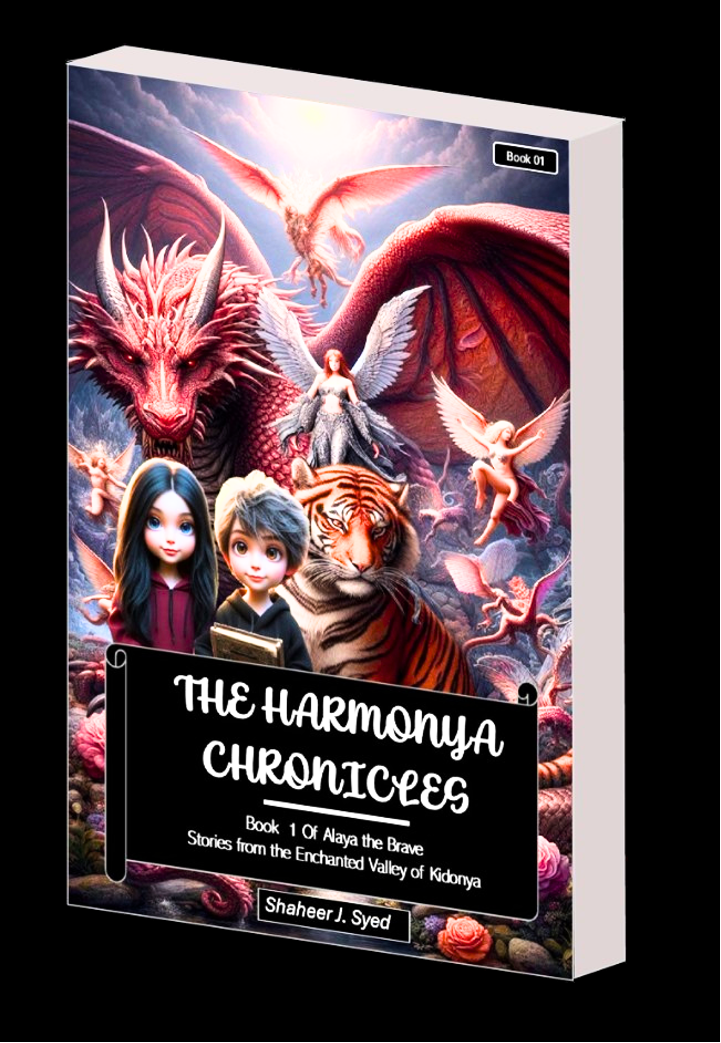
Note from Author - Book 01. Hear directly from the Author!
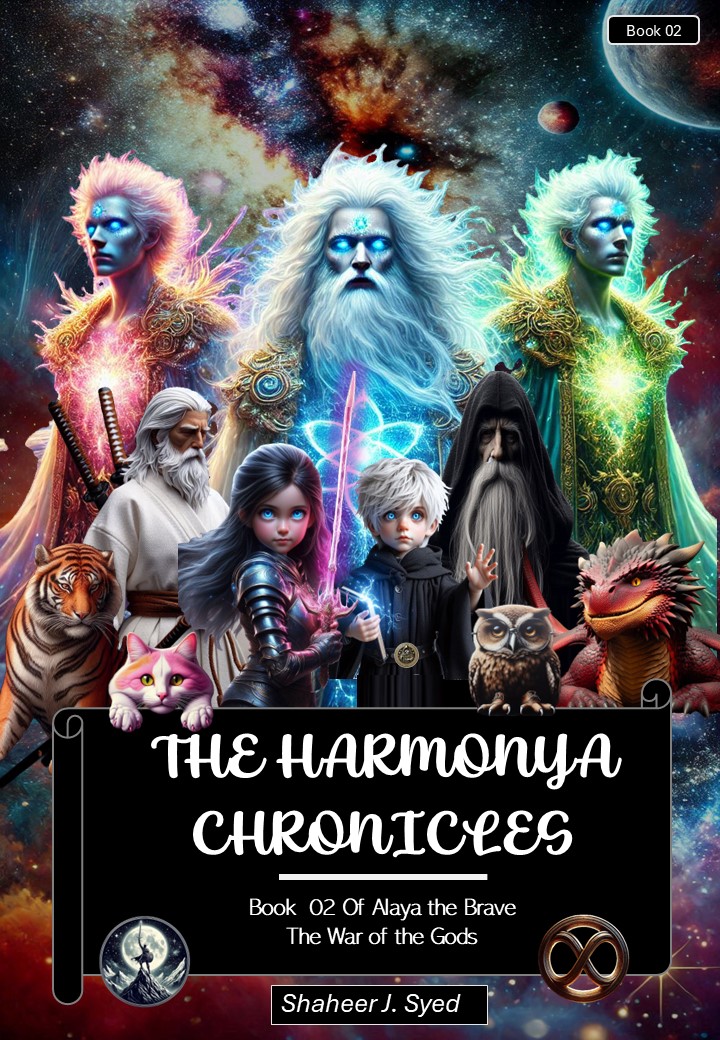
Continue your Journey with Book 02 of Alaya the Brave!
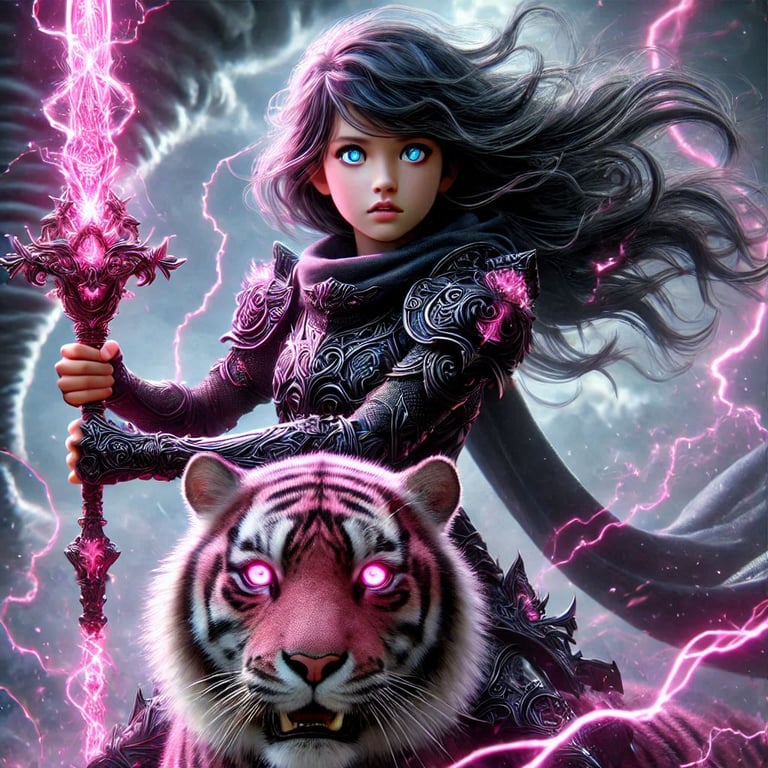
Why is Everyone Listening to "The Rise of The Storm Bringer"?



The Harmonya Chronicles Clubs!
Which warrior are you?
Join our warriors in their epic adventures today!
© 2023. All rights reserved.