
The Harmonya Chronicles Music Book 03: The Dragon Warriors — A Note from the Author: On the Sound of Consequence
Author Shaheer J. Syed on why Album 3 is different from everything that came before it — not escalation, not triumph, but consequence. The sound of seven warriors being asked not whether they will win, but whether they will remain themselves
The Harmonya Team together with Shaheer J. Syed
10/12/20265 min read
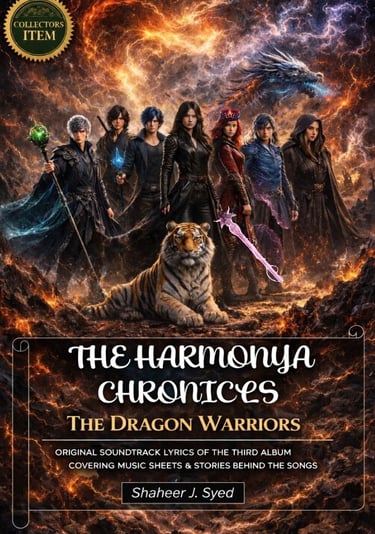
The Harmonya Chronicles Music Book 03: The Dragon Warriors. A Note from the Author: On the Sound of Consequence
There is a moment in every long story where the question changes.
Not the stakes. Not the enemy. The question.
For the first two albums, the question was implicit and forward-facing: will they rise to what this requires? Album 1 watched the warrior emerge. Album 2 watched the fellowship form across wounds and withdrawal and transformation. The question in both was about becoming — about whether these seven beings could develop into what the moment ahead would demand.
Album 3 is different. By the time Books 09 through 13 arrive, the question of becoming has been answered. The warriors are what they are. They have been formed. They have been tested and broken and rebuilt. They stand — all seven of them, aligned, the fellowship complete.
And then the real question arrives: will we remain ourselves?
This is the question I needed Album 3 to hold. Not escalation — consequence. Not the drama of a rising threat — the weight of what happens when a threat this total, this patient, this designed to dismantle rather than simply defeat, is finally answered. The question is no longer about power or strategy or even courage. It is about identity. Whether, at the end of everything, the seven beings who walk out of the God Breaker arc can look at what they have become and recognise the beings who first took up arms.
That is the territory of Album 3. Sixteen tracks. No catharsis. No triumph. The music will not tell you what survives.
On the Opening Poem
The Weight That Stays opens the album with a nine-section philosophical poem because nothing less than that could establish what is about to happen. The key lines are not about battle. They are about endurance as an ethical choice — not a strategy, not a temporary state, but an agreement.
"Some prices are not paid once. They recur. Endurance is not survival. It is agreement to keep paying what meaning requires."
"What endures is not what was strongest, but what was willing to remain answerable."
That second line is the philosophical spine of the entire God Breaker arc. The warriors who hold are not the ones with the most power. They are the ones who remain answerable — to each other, to the people they protect, to the beings they chose to become. That willingness, maintained under pressure so immense it fragments identity itself, is what the album is about.
On the Songs That Refuse Resolution
Album 3 contains several tracks that do not resolve. Echoes of the Forgotten witnesses civilisational erasure and refuses consolation. Tracks in the Dust ends mid-step because ending would falsify what it is expressing. Fractured Reflections mirrors identity erosion without offering recovery. Where All Threads Awaken ends on the moment before — threads awake, work not yet begun.
These refusals are not failures of craft. They are the most honest thing the album does.
The consequence arc is not a problem that gets solved and then rested from. The God Breaker does not care about consequence. It was designed. It functions. It does not hate. And that absence of malice — that irrelevance of malice — is what makes it genuinely terrifying. Darkness moves unburdened. Light must weigh every action.
An album that resolved these tracks would be lying to the listener. Album 3 does not lie.
On Stay
Of all sixteen tracks, Stay is the one I want every reader and listener to carry forward into everything that follows.
Not the battle themes. Not the God Breaker theme. This one.
Because the saga is not, in the end, about the question of whether we win. It is about the question of whether we remain present — to each other, to what we have chosen, to the specific ordinary lives we are protecting — even when presence offers no proof, no applause, no promise of return.
"Love isn't light, it isn't loud / It doesn't save the day / It's sitting on the cold stone floor / When there's nothing left to say."
"I will stay. I choose you every time."
That choosing — continuous, unqualified, not dependent on improvement or reward — is the Harmonya warrior ethos stated in its most direct form. It applies to every relationship in the saga. The master and the warrior. The warrior and the companion. The parent and the child. The seven and the world they protect. Staying is not a passive act. It is the most demanding discipline the saga asks of anyone.
On The God Breaker theme
I need to be specific about what this track is and what it is not.
It is not a villain's anthem. It is not a rage theme or a darkness theme. It is something more unsettling than either: the sound of precision. Of a mechanism functioning exactly as it was designed to function, without emotion, without response to environment, without mercy — not because it is cruel, but because mercy is not among its parameters.
97 beats per minute. That specific tempo was chosen deliberately. It denies both comfort and urgency. It does not panic. It does not hesitate. It simply proceeds.
This is not violence born of emotion but violence born of design.
If you listen to that track and feel something that is not quite fear and not quite dread — something colder than both — that is the correct response. That is what the warriors faced across Books 12 and Book 13. And that is what holding against it actually cost.
The Three-Album Arc, Complete
Album 1: Emergence. A world discovering what it is up against.
Album 2: Escalation. Seven warriors becoming what the moment required.
Album 3: Consequence. Whether they will remain themselves after paying the price.
These three albums are not background music. They are a parallel philosophical text — the emotional truth of twenty-seven books of saga, carried in a form that operates independently of the words and alongside them simultaneously.
The listener who arrives here without the books will find music that tells the truth about endurance, identity, grief, presence, and what it means to keep paying what meaning requires. The reader who arrives here after Books 09 through 13 will find the sound of everything those books were always carrying, finally heard without mediation.
Listen to Album 3 — The Dragon Warriors:
🔗 [player.harmonyachronicles.com](https://player.harmonyachronicles.com/)
🔗 [youtube.com/@OBSIDIANHEART_SE](https://www.youtube.com/@OBSIDIANHEART_SE)
Explore the full saga:
🔗 [www.harmonyachronicles.com](https://www.harmonyachronicles.com)
Album 1 was emergence. Album 2 was escalation. Album 3 is consequence. The question is no longer whether they will win. It is whether they will remain themselves.
Read Other Blogs
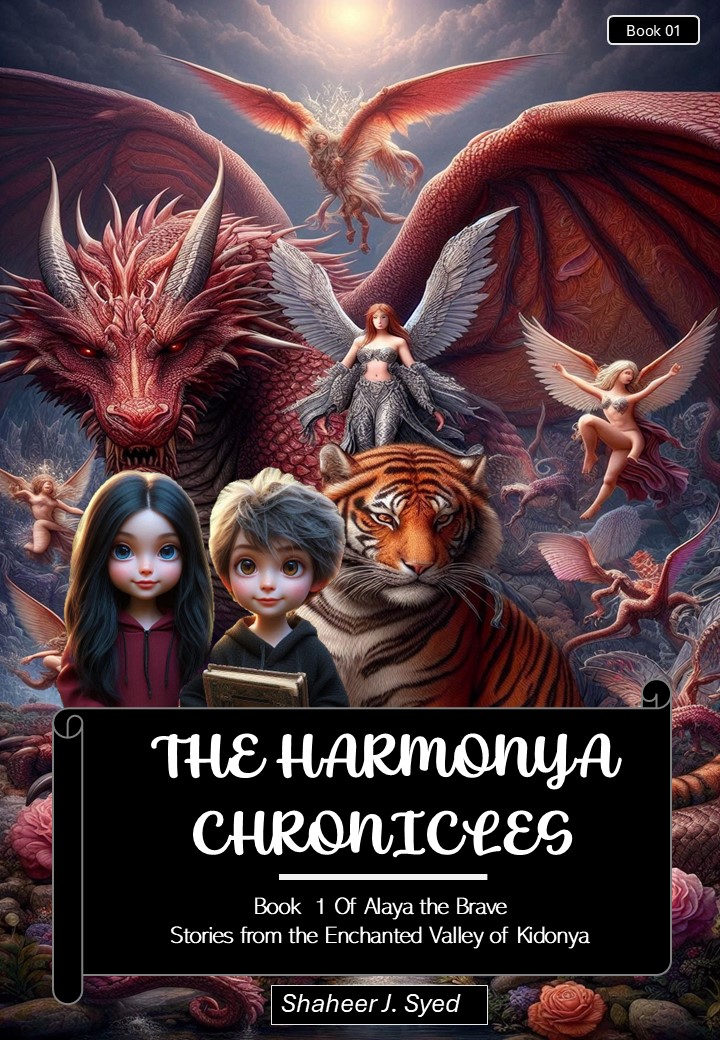
Start your Saga Journey with Book 01 of Alaya the Brave!
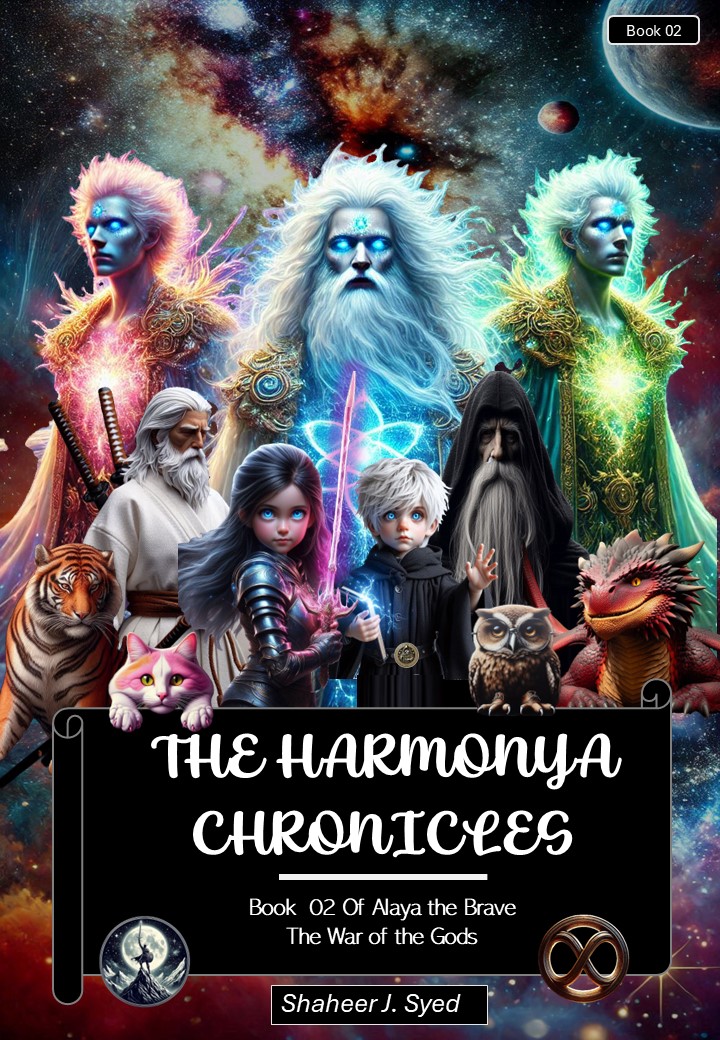
Continue your Journey with Book 02 of Alaya the Brave!

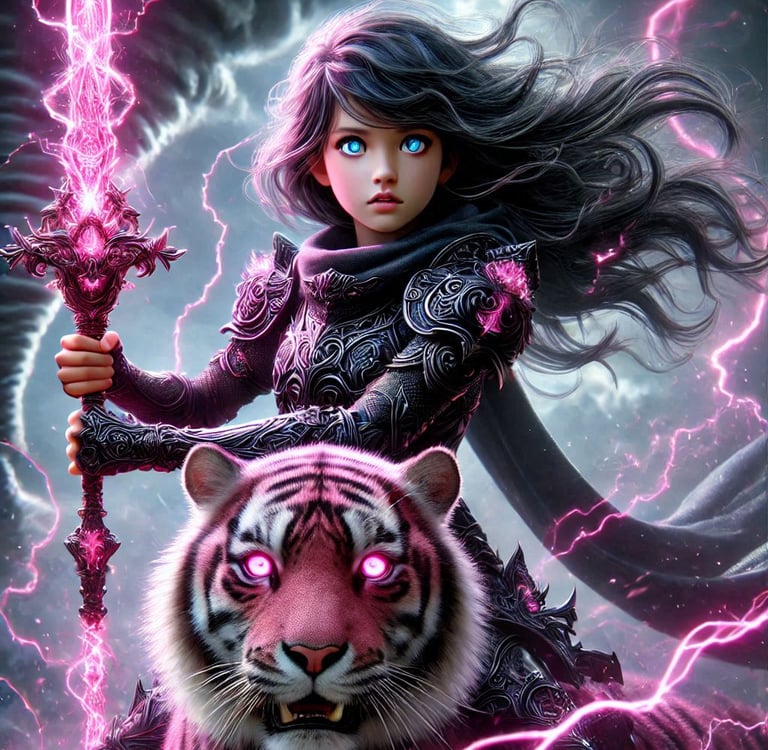
Why is Everyone Listening to "The Rise of The Storm Bringer"?


The Harmonya Chronicles Clubs!
Which warrior are you?
Join our warriors in their epic adventures today!
© 2023. All rights reserved.