
The Harmonya Chronicles Music Book 05: The Inner Symphonies — A Note from the Author: On the Music That Was Extracted from Experience
Author Shaheer J. Syed on what the Inner Symphonies are and what they are not — fifteen instrumental works that map the complete arc of inner awakening, drawn not from inspiration but from twenty years of walking the path the philosophy books describe. This is the most personal music in the Harmonya universe.
The Harmonya Team together with Shaheer J. Syed
10/26/20265 min read


The Harmonya Chronicles Music Book 05: The Inner Symphonies. A Note from the Author: On the Music That Was Extracted from Experience
I want to be precise about what the Inner Symphonies are before I say anything else.
They are not a soundtrack. Albums 1, Album 2 and Album 3 score the emotional arc of the saga — they are parallel texts, entering the places the narrative built toward but could not fully inhabit. The Inner Symphonies are something different. They are not scored to any story. They are not tied to any specific book in the saga. They are not scored to characters or battles or arcs.
They were extracted from experience. Twenty years of living the path that The Powerful Place, the Warrior's Handbook trilogy, A Story Called Life Trilogy, and Responsibility After Justification describe. The symphonies did not emerge from inspiration. They emerged from the specific, accumulated, irreversible truth of having walked that path long enough to know what each stage of it actually feels like from the inside.
That distinction matters. Everything else in the Harmonya music universe was composed. These were discovered.
What the Arc Is
Fifteen symphonies. Five movements. One complete journey from the person who believes they are a drop searching for the ocean they came from — to the moment that truth arrives: you were never the drop. You were carrying an ocean.
The Powerful Place is where this journey begins — the inner sanctuary, the five pillars, the seven mantras, the practical daily work of returning to yourself. The Warrior's Handbook is where it deepens — thirty lessons across three codexes tracing attention through endurance to legacy. A Story Called Life is where it is grounded in specific human experience — the ordinary, irreplaceable texture of a life that made the philosophy necessary. And Responsibility After Justification is where it reaches its most formal expression: nothing you have ever done is finished. The thing you did is still doing itself somewhere you cannot see.
The Inner Symphonies hold all of that simultaneously. Without words. Without argument. As direct experience.
The Five Movements
The first movement — Symphonies I through IV — begins not with transcendence but with weight. This is the most important thing I can tell you about the arc. It does not begin by promising that everything will be lighter. It begins by insisting that the weight must be acknowledged first. Not solved. Not transcended. Held.
The Warrior's Handbook Book I, Lesson I: the first battle is attention. Symphony I is that lesson in sound — not the drama of attention seized, but the quiet, unglamorous practice of making space. Grief is a weight, not a poison. Carried honestly it deepens the heart. Symphony III is endurance without reassurance — twenty years without knowing why. The Endurance Codex made audible.
The second movement — Symphonies V through VII — is where awareness arrives without resolution. This is what A Story Called Life Book 2 described in its mythic stories: the self finding its frequency and then having to live with what that frequency reveals, including the parts it would prefer not to see. Symphony VI is the shortest and loudest track on the entire album — dissonance does not ease when it is acknowledged. It intensifies first. The Handbook's Lesson IX: pain is a teacher, not a throne. You cannot skip the intensification.
Symphony VII — Presence — is seventeen minutes long. Presence does not rush. Five musical traditions from five continents playing simultaneously without merging. Unity through full, honest coexistence. This is what The Powerful Place's fourth principle — Respond, not React — actually feels like when it is embodied rather than practised. It cannot be stated in less than seventeen minutes because it is not a concept. It is a state of being.
The third movement — Symphonies VIII through X — is Reorientation. Acceptance that is not approval but allowance. Yielding that is not weakness but the intelligence of the river — the wu wei that the Warrior's Handbook calls patience as the intelligence of timing. Integration that does not close fractures but expands around them. You are not repaired. You are expanded.
This is A Story Called Life Book 3's territory. Sofia's pigment drawer. The colours still viable. Not getting out the canvas yet. But holding the tubes.
The fourth movement — Symphonies XI through XIII — is Expansion. The self loosening its edges. Symphony XI is eighteen minutes — the longest on the album. A Turkish dervish Ney alone for nearly ten minutes, the self spinning at its centre, not arriving, because the spinning IS the purpose. Then Nordic vastness arrives. Then warmth again. Becoming is what you have always been doing.
The fifth movement — Symphonies XIV and XV — is transcendence that is not escape. Not above life. Through it. The Responsibility After Justification thesis arrives here not as argument but as experience: nothing you have ever done is finished. Symphony XV carries that truth in its final resolution — the Tibetan bowl opening, the Ney and violin and trance beat and Nordic vocals rising together toward the one truth the entire arc was always moving toward: you were carrying an ocean.
On the Sacred Texts
Every symphony carries quotes from the Quran, the Bible, the Bhagavad Gita, and the Dhammapada — all pointing at the same truth from different directions. The music holds all their names simultaneously without requiring any to yield to the others.
This was not a theological choice. It was a philosophical recognition: the journey the Inner Symphonies map is not the property of any single tradition. Every wisdom tradition in human history has known this arc. Every one of them has found different language for the same destination. The Inner Symphonies are the place where all those languages arrive at the same note.
The Connection to the Saga
The masters — Laoshi, Hiroshi, Seraphina — have all walked some version of this arc. The cycling they accepted is, in a sense, an enforced version of it: each awakening requires beginning at Symphony I again. The loneliness of the in-between — the space between cycles where there is no fellowship yet, no warrior yet, no world to stand in yet — is the specific cost of being unable to reach Symphony XII (Communion) without rebuilding it from nothing with a new being every cycle.
The Inner Symphonies are what the masters carry between cycles. The only thing that remains.
Listen to The Inner Symphonies:
🔗 [player.harmonyachronicles.com](https://player.harmonyachronicles.com/)
🔗 [youtube.com/@OBSIDIANHEART_SE](https://www.youtube.com/@OBSIDIANHEART_SE)
Explore the philosophy books:
🔗 [www.harmonyachronicles.com/saga-philosophy](https://www.harmonyachronicles.com/saga-philosophy)
Explore the full saga:
🔗 [www.harmonyachronicles.com](https://www.harmonyachronicles.com)
These symphonies were not composed from inspiration. They were extracted from experience. That is the only difference that matters.
Read Other Blogs
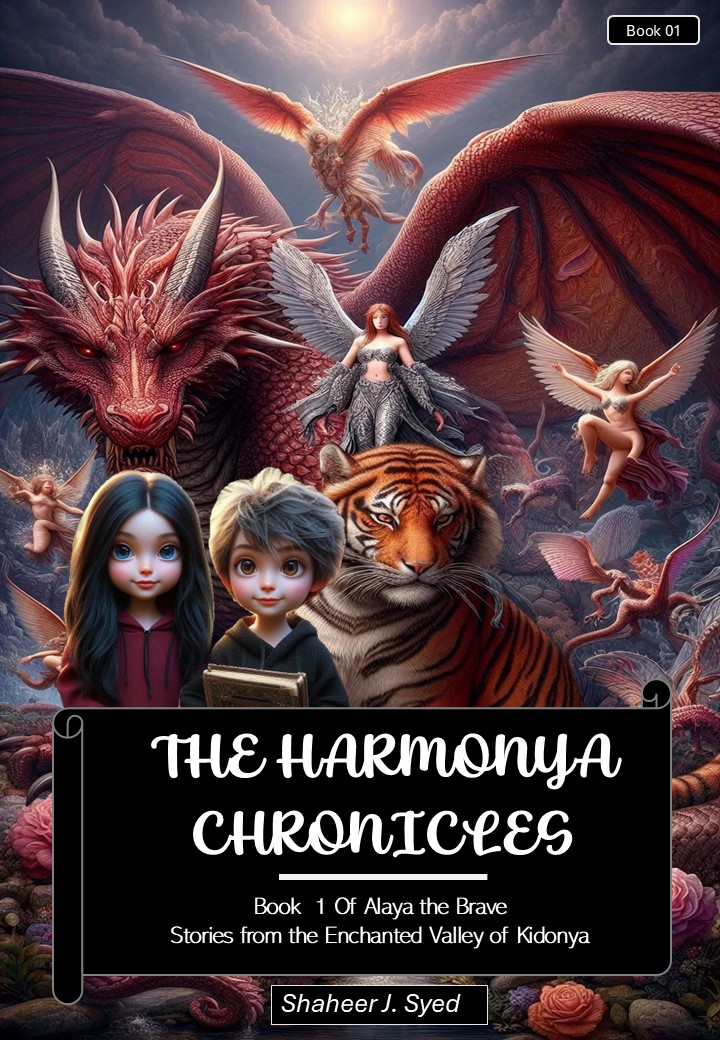
Start your Saga Journey with Book 01 of Alaya the Brave!
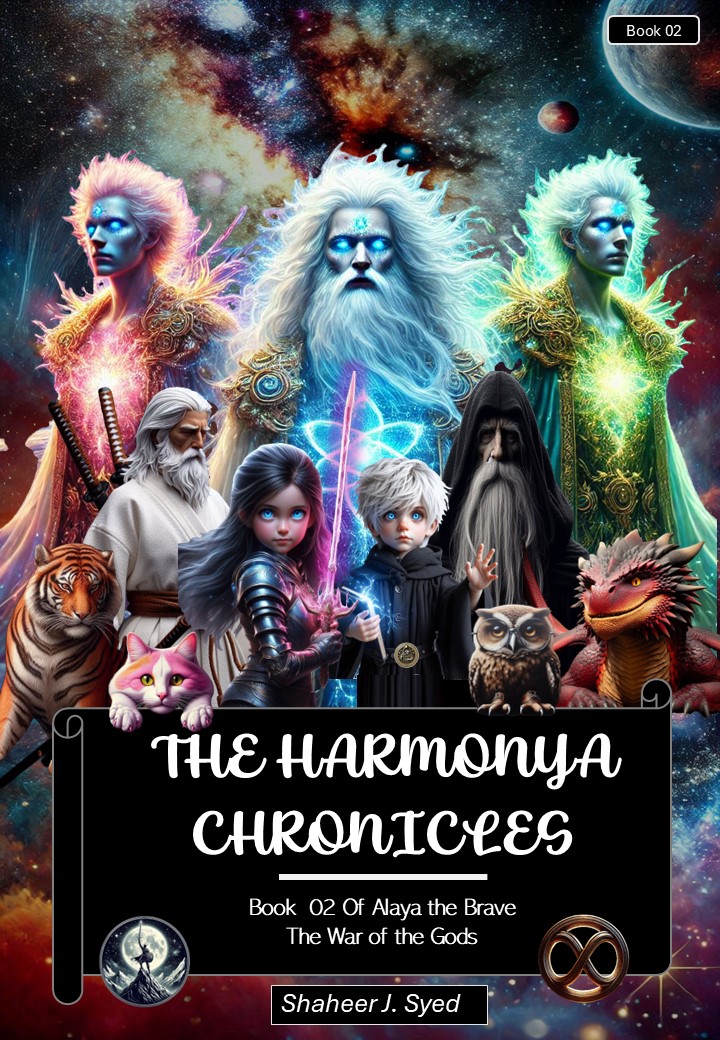
Continue your Journey with Book 02 of Alaya the Brave!


Why is Everyone Listening to "The Rise of The Storm Bringer"?


The Harmonya Chronicles Clubs!
Which warrior are you?
Join our warriors in their epic adventures today!
© 2023. All rights reserved.