
Book 02 Review: War of Gods Through 3 Lenses
Book 02: War of Gods reviewed through publisher, editor, and audience lenses. A concise look at character depth and franchise momentum.
The Harmonya Team
12/31/20256 min read
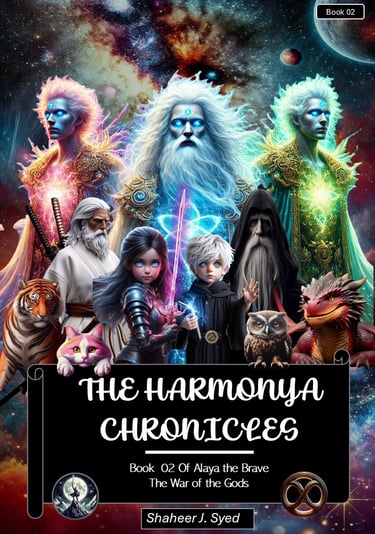
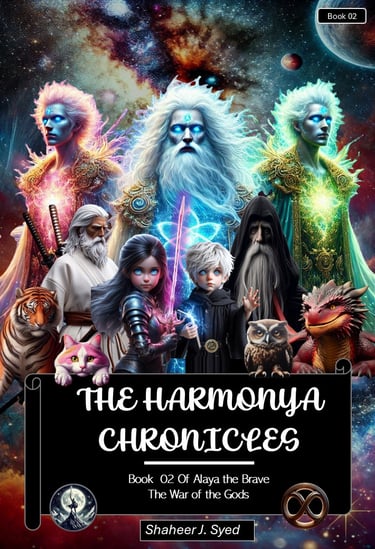
Note: This review builds directly on Book 01: Stories from the Enchanted Valley of Kidonya. We recommend reading that analysis first to understand the saga's foundation and development infrastructure (25-book roadmap, 263-page IP Bible, 33 original tracks, philosophical framework).
THE PUBLISHER'S LENS
Escalation & Franchise Momentum
Book 02 executes a critical transition: childhood wonder becomes cosmic stakes. Where Book 01 introduced Alaya through fairy quests and magical companions, Book 02 reveals why those foundations mattered—the War of the Gods is not legend but imminent reality. This escalation pattern demonstrates sophisticated franchise architecture: establish emotional bonds before testing them under existential pressure.
The title itself—The War of the Gods—signals scope expansion essential for multi-season adaptation. Television writers require escalating tension across seasons; Book 02 provides that trajectory naturally. The eclipse that merely threatened in Book 01 now arrives, bringing 21 days of darkness and the revelation of Malakar's centuries-long strategy. Studios gain confidence knowing the creator can sustain momentum beyond pilot material.
Demographic Bridge & Audience Retention
Crucially, Book 02 maintains accessibility while raising complexity. Alaya remains relatable—still processing her new identity, still learning her powers—while the narrative introduces divine councils, ancient prophecies, and interdimensional conflict. This balance allows the original young audience (ages 8-12) to mature alongside the protagonist while attracting older readers (YA/adult) drawn to mythological depth.
The episodic structure continues: Master Laoshi's revelations about Malakar's fall, the First Battle of Luminalis, the gathering of 25 kingdoms, the Infinium's strategic dilemma. Each chapter provides natural episode breaks for adaptation while advancing a unified season arc.
Commercial Insight: The shift from Book 01's intimate village setting to Book 02's cosmic warfare creates merchandising opportunities—warrior figures expand to include divine beings, battle scenes scale to CGI spectacle, and the 25 kingdoms introduce geographic diversity for future exploration.
THE EDITOR'S LENS
Narrative Architecture: From Personal to Universal
Book 02 employs a dual-timeline structure: present-day Alaya experiencing the eclipse's darkness intercuts with Master Laoshi narrating the ancient conflict between Malakar and the Infinium. This narrative device serves multiple purposes: it educates both Alaya and readers simultaneously, establishes backstory without info-dumping, and creates dramatic irony as readers understand threats Alaya hasn't yet grasped.
The philosophical framework from After the Choice: A Framework for Post-Decision Ethics becomes more explicit here. Malakar's transformation from Infinium to darkness illustrates the core thesis: "moral responsibility does not end with justification but begins in the aftermath of action." His original grievance—feeling undervalued by his divine siblings—might have been legitimate. His response—centuries of accumulated vengeance—demonstrates how unresolved resentment compounds into catastrophic consequence.
Character Development: Earned Power
Alaya's growth follows the pattern established in The Warrior's Handbook of Light: "Power without restraint is ruin." She doesn't simply gain abilities; she questions them. The book explores her internal conflict between childhood innocence and warrior destiny—a tension that will define her across 25 books. This "reluctant chosen one" archetype resonates because her hesitation feels authentic, not manufactured for plot convenience.
The introduction of Daniyal's deeper role (hinted at but not fully revealed) demonstrates long-term character planning. Readers who paid attention in Book 01 to "the boy who wanted to grow up quickly" now see early signs of his ancient sorcerer identity manifesting. This layered character development rewards close reading and sets precedent for complexity in subsequent volumes.
World-Building Expansion: The 25 Kingdoms
Book 02 opens the map beyond Kidonya. The mention of 25 kingdoms gathering at Luminalis for the First Battle establishes geographic scope crucial for franchise longevity. Each kingdom represents potential spinoff material, prequel opportunities, or expanded universe content. The IP Bible's detailed kingdom profiles become essential here—studios need confidence that this expansion is planned, not improvised.
The magic system rules deepen: divine power operates differently than mortal magic, the eclipse serves strategic purpose (concealing movements from both sides), and Malakar's terraforming of conquered planets establishes visual stakes. These aren't arbitrary fantasy elements but interconnected system components.
Pacing: Controlled Burn
The book resists rushing to battle. Instead, it prioritizes understanding why the war matters. Master Laoshi's teaching sequences—which could feel expository—function as world-building disguised as character bonding. Baba's questions mirror reader curiosity, making exposition feel earned rather than inserted.
The philosophical reflection from The Powerful Place—"awareness precedes action"—manifests structurally. Alaya cannot fight what she doesn't understand. The book's first half builds comprehension; the second half tests that knowledge under pressure.
THE AUDIENCE'S LENS
Emotional Escalation: Stakes That Matter
Book 02 succeeds because it makes cosmic conflict personal. The War of the Gods isn't abstract—it threatens Kidonya, Baba, Daniyal, Tora, Alyna, every element readers connected with in Book 01. This emotional grounding prevents epic scope from feeling distant. When Malakar's shadow looms, readers don't fear philosophical darkness; they fear loss of specific people and places they've learned to love.
The 21-day eclipse creates atmospheric tension. Darkness isn't merely visual; it's psychological. The book explores how prolonged absence of light affects communities, tests faith, and breeds uncertainty. This environmental pressure cooker raises stakes without requiring constant action.
Philosophical Depth Deepens Without Overwhelming
The companion works' influence becomes more pronounced. Malakar's fall explores post-decision ethics: how does immortal resentment compound across centuries? What happens when initial grievance (possibly justified) transforms into absolute vengeance (absolutely destructive)? Adult readers recognize these questions; younger readers experience them as compelling villain motivation.
The Powerful Place's concept of "balance as responsive alignment" appears in the Infinium's dilemma: how do divine beings stop Malakar without becoming destroyers themselves? This isn't academic philosophy—it's active moral struggle affecting plot outcomes.
Satisfaction Factor: Questions Answered, New Mysteries Introduced
Book 02 rewards Book 01 investment while establishing forward momentum. Readers gain answers: why Alaya received her name through such specific ritual, why Tora called her "the brave one" before events proved it, why the eclipse prophecy mattered. Simultaneously, new questions emerge: What is Malakar's "secret weapon"? How will Alaya unite the Seven? What does "Storm Bringer" actually mean?
The reveal that this is not the first cycle of conflict—that Dragon Warriors have fought Malakar before across centuries—introduces reincarnation mythology essential to the saga's 25-book scope. This framework allows exploration of past cycles (prequels), alternate outcomes (parallel timelines), and the ultimate question: why has this war never ended permanently?
Rereadability: Foreshadowing Reveals
Second readings expose careful planting: references to "the Storm that changes everything," Goddess Prudentia's knowing smile when discussing Alaya, hints about Daniyal's "ancient knowledge." These aren't random details but architectural elements supporting later volumes.
VERDICT FOR MEDIA ADAPTATION: 9/10
Book 02: The War of the Gods confirms that Book 01 wasn't anomaly but foundation. The escalation is controlled, the mythology coherent, the emotional core maintained despite scope expansion. For studios, this demonstrates franchise viability—the creator can sustain multi-season complexity without losing narrative control.
The book positions perfectly for Season 1 finale material: revelations about cosmic conflict, introduction of divine antagonist, establishment of existential stakes, and cliffhanger momentum into Book 03 (Fellowship formation). The dual-timeline structure provides adaptation flexibility—writers can adjust backstory pacing based on production needs without losing narrative coherence.
For readers, Book 02 delivers on Book 01's promise while raising ambitions. The saga demonstrates it can mature alongside its audience, maintaining accessibility while introducing sophisticated themes. The 25-book roadmap feels earned rather than ambitious, and the philosophical framework elevates rather than weighs down.
Critical Observation: The transition from Books 01-02 establishes pattern that defines the saga—character before spectacle, understanding before action, emotional truth before magical display. This discipline distinguishes The Harmonya Chronicles from fantasy properties that prioritize world-building over human connection.
Next in series: Book 03 - Of Alaya the Storm Bringer | The Fellowship of the Seven (where the legendary warriors finally unite, and Alaya's true title emerges)
Explore the complete saga: www.harmonyachronicles.com
Publisher's Note: Two books establish foundation. Eleven books published. Twenty-five planned. The pattern is clear, the commitment demonstrated, and the availability time-sensitive.
Read Other Blogs
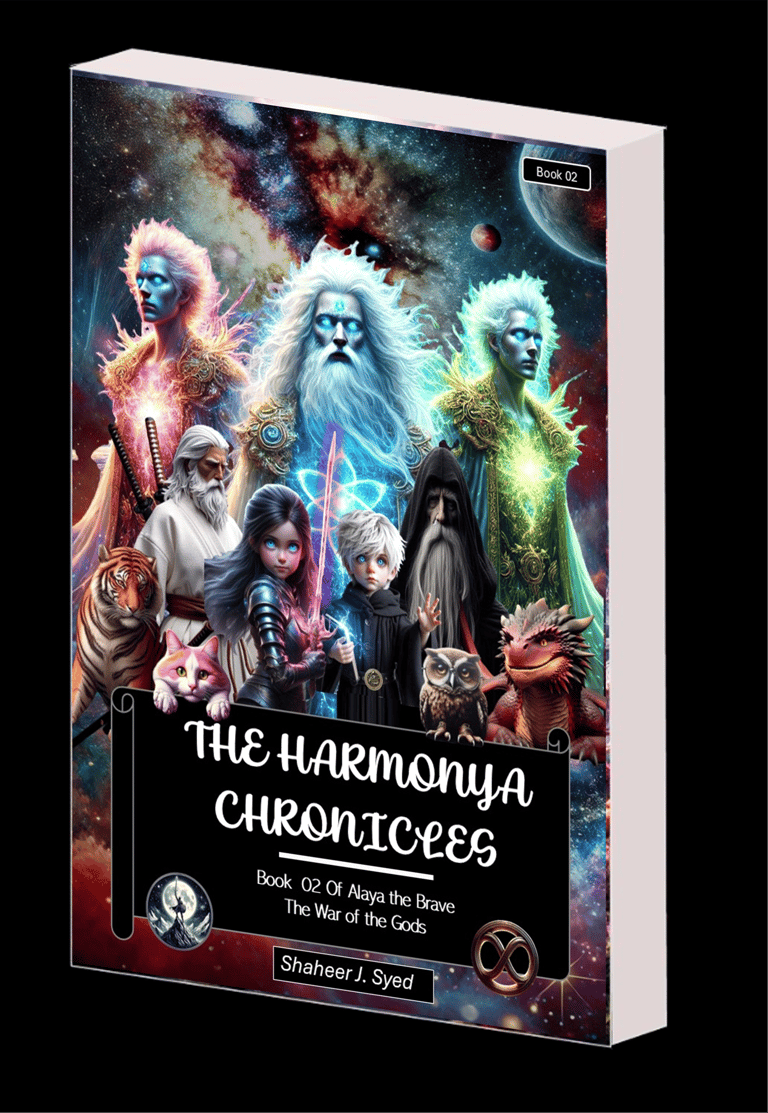
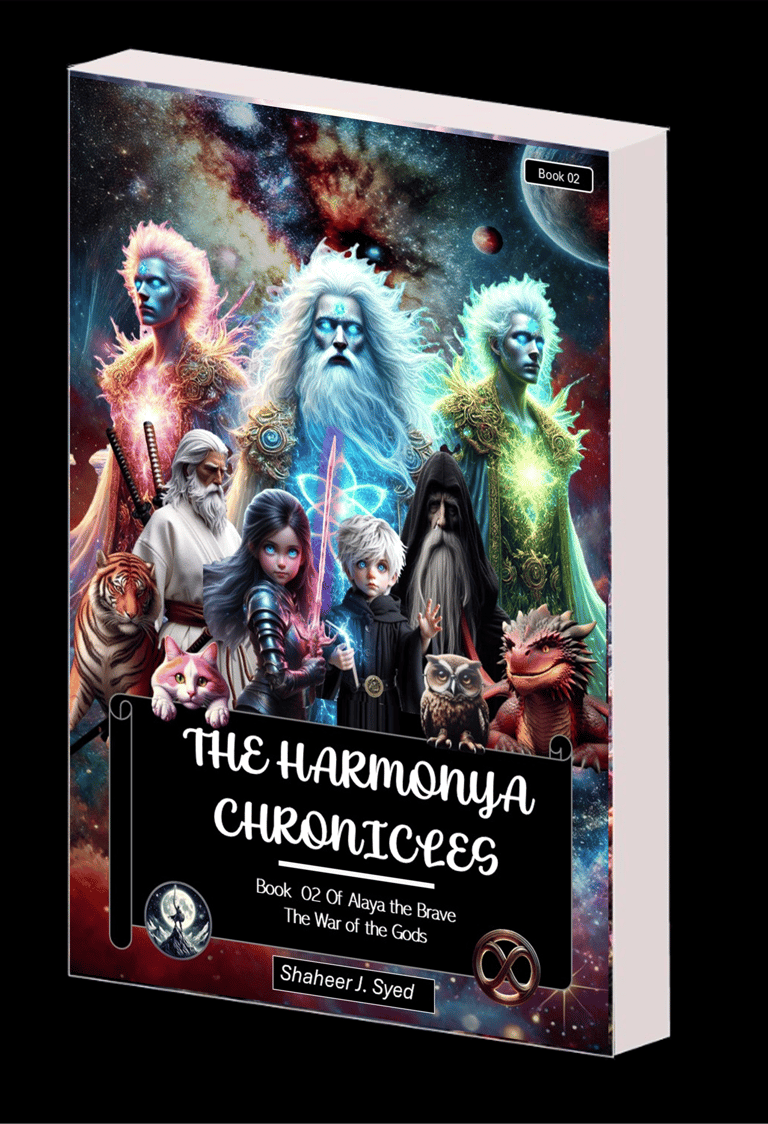
Read Author's Note for Book 02 of Alaya the Brave! Learn about Authors thoughts behind the book!
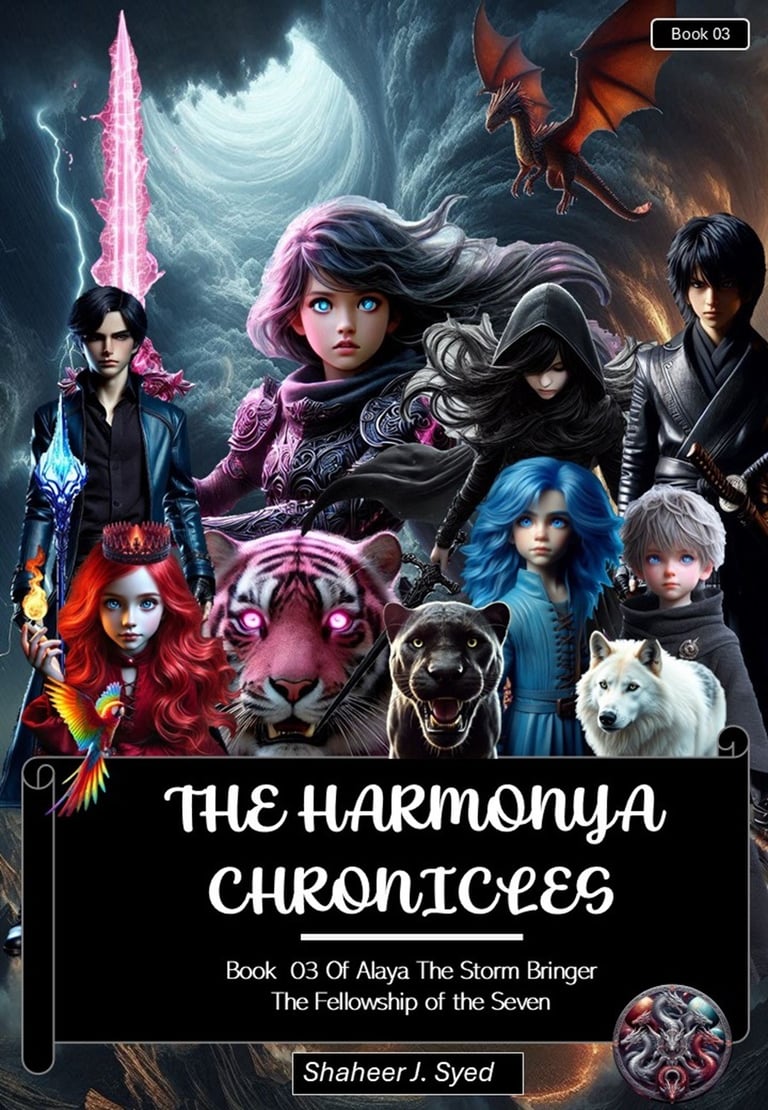
Continue your Journey with Book 03 of Alaya the Storm Bringer!
Why is Everyone Listening to "The Rise of The Storm Bringer"?
The Harmonya Chronicles Clubs!
Which warrior are you?
Join our warriors in their epic adventures today!
© 2023. All rights reserved.