
Book 08 Review - Game of Shadows Through 3 Lenses | Analysis
Book 08: Game of Shadows analyzed through publisher, editor & audience lenses. Seven warriors united, kingdoms allied, darkness gathering. Epic ensemble review.
The Harmonya Team
2/2/20268 min read
Note: This review follows Book 07 of Safi Sidr, where dimensional warfare expanded across galaxies. For complete context: Book 01 | Book 02 | Book 03 | Book 04 | Book 05 | Book 06 | Book 07
THE PUBLISHER'S LENS
The Fellowship Spotlight: Seven Warriors United
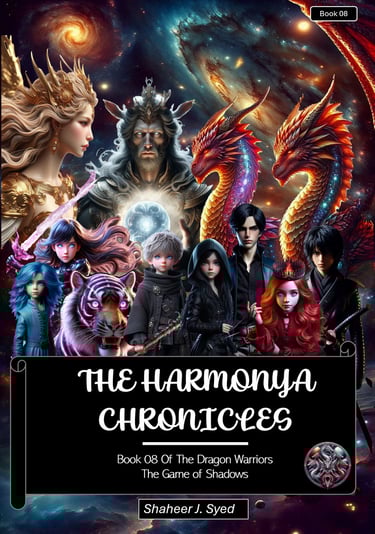
Book 08 breaks the character spotlight pattern with collective focus: all seven Dragon Warriors operating simultaneously across Harmonya. Where Books 01-07 explored individual origins, powers, and psychological depths, Book 08 demonstrates how these distinct warriors function as unified force. Studios gain "Avengers Assemble" moment—the payoff for seven volumes of character investment. Audiences who've followed Alaya, Daniyal, Ashkaan, Safi Sidr, Aurelia, Arcane, and Elarian individually now witness their collaborative power.
The strategic deployment structure provides episodic framework: three groups dispatched to different kingdoms, each team facing distinct challenges while advancing unified mission. Group One (Alaya, Aurelia, Arcane with Masters Laoshi, Seraphina, Solaris) travels to Kingdom of Aurelia securing 500,000 soldiers. Group Two (Daniyal, Elarian, Merrylin, Cephas with Masters Hiroshi, Feng) ventures to Valeria gaining 900,000 warriors. Group Three (Ashkaan, Safi Sidr with Masters Thorne, Mira) journeys to Solaria recruiting 1,500,000 troops. This structure enables parallel storytelling, cross-cutting between teams for pacing variety, building toward convergence.
For franchise sustainability, Book 08 demonstrates ensemble depth: the saga doesn't rely on single protagonist carrying narrative weight but distributes storytelling across multiple compelling characters. This flexibility future-proofs adaptation—actors' scheduling conflicts don't cripple production when seven leads share spotlight. More importantly, it validates 25-book scope: if warriors remain interesting collectively after individual spotlights, audiences trust remaining volumes will maintain quality.
Kingdom Alliances: The United Front
The book's political arc—securing kingdom commitments to United Alliance for Harmonya—escalates stakes from warrior-level conflicts to civilization-scale warfare. Each kingdom contributes distinct military assets: Drakoria offers 300,000 warriors plus King Manus (mystical Simha Clan—half-man, half-lion beings carrying light magic), Aurelia provides 500,000 soldiers, Emperor of Erytheia commits 850,000 troops plus 500 Erytheian dragons (scales shimmering like jewels, breathing fire), Valeria pledges 900,000, Solaria contributes 1,500,000 warriors under Queen Ayla.
These numbers—totaling 4,050,000 soldiers plus dragon fleets—establish Malakar's threat scale. Studios gain confidence: the saga builds systematically toward epic confrontation justifying massive production budget. The diversity of forces (human warriors, light-magic clan, dragon riders, shadow assassins, portal sorcerers, fire masters) provides visual variety preventing battle fatigue. Each kingdom's distinct military specialty creates tactical complexity beyond generic army clashing.
The political nuance adds depth: kingdoms don't join automatically. King Manus requires three-day negotiations, hearing Fellowship's stories, sharing ancestral histories, finding reflection of his clan's honor before pledging allegiance. This demonstrates diplomatic complexity—winning war requires persuasion, not merely power. Younger audiences experience epic alliance-building; adult audiences recognize meditation on coalition formation, trust establishment, shared purpose negotiation.
THE EDITOR'S LENS
Narrative Architecture: Convergence and Divergence
Book 08 employs ensemble structure demanding sophisticated narrative management. Three teams pursuing parallel missions creates challenge: maintain each group's storyline without confusing readers or losing momentum. The book solves this through chapter organization alternating between teams, using distinctive locations/challenges distinguishing each group's arc.
The Drakoria sequence establishes pattern: Fellowship arrives, kingdom initially cautious, warriors share histories demonstrating legitimacy, leaders recognize shared values, alliance forms through mutual respect rather than coercion. King Manus's three-day celebration—transforming kingdom into vibrant wonderland, streets lined with glittering lanterns—provides emotional payoff. The festivities aren't mere spectacle but conscious decision: "King knew joyous occasion was long overdue. He wanted to create milestone etched in memories, beacon of hope guiding through dark days."
This philosophical approach—celebrating before darkness arrives, choosing joy despite impending war—connects to saga's broader themes. Warriors aren't merely preparing for battle but protecting what makes life worth living: community, laughter, shared wonder. The celebration becomes act of resistance: refusing to let Malakar's shadow erase light before conflict even begins.
Character Dynamics: Seven Perspectives Woven
Book 08's challenge: maintain each warrior's distinct voice while demonstrating collaborative chemistry. Alaya operates as Commander—strategic thinker coordinating movements, making difficult decisions, bearing responsibility for collective success. Aurelia brings fire—literal and metaphorical—passionate intensity driving momentum. Arcane provides mystical knowledge. Elarian offers historical wisdom. Daniyal contributes dimensional awareness. Ashkaan grounds through earth-solid reliability. Safi Sidr enables mobility through portal magic.
The team compositions reflect complementary abilities: Alaya/Aurelia/Arcane combining lightning, white fire, and arcane power creates elemental devastation. Daniyal/Elarian/Merrylin pairing dimensional sorcery with ancient magical knowledge unlocks reality-bending tactics. Ashkaan/Safi Sidr merging earth manipulation with portal creation enables battlefield reshaping and strategic repositioning.
But chemistry transcends combat synergy. The bonds forged across seven books—Alaya and Daniyal's childhood friendship, Ashkaan's recovered strength supporting others, Safi Sidr's dimensional perspective expanding tactical options—manifest through small moments: shared glances communicating volumes, unspoken coordination during battles, trust enabling risk-taking. These relationships distinguish Fellowship from mere fighting force—they're family forged through shared trauma, victory, loss.
The Chronians' Weapon: Mystery Deepening
Book 08 expands Book 07's Chronos mythology with darker revelation: the Chronians, saved from Tear's madness by Infinium intervention, remember their origins. Created by Malakar then abandoned when they reflected his own vulnerability, they've spent hidden centuries nursing burning resentment. Their collective trauma coalesced into singular purpose: revenge.
"They remembered everything. The chaotic birth, chilling abandonment, near-death by Tear, feeling unwanted by progenitor. The lingering scar of abandonment festered." Over generations, they've built weapon forged from harnessed energies of their very beings—"living embodiment of collective rage and singular intent: annihilation of their source of creation." They're not warriors themselves but seek warrior to carry weapon forward against Malakar.
This subplot demonstrates saga's systematic world-building: civilizations introduced in previous volumes gain deeper context, their histories interweaving with main narrative. The Chronians' weapon becomes Chekhov's gun—introduced now, implications developing across remaining books. Studios recognize planned complexity: not improvised complications but architected mythology supporting 25-book scope.
Philosophical Framework: Fear and Valor
Book 08 explores paradox: "Alongside growing anger, there was also growing fear of Malakar. This wasn't just warriors' fear facing battle but deeper dread seeping into common folk, into kingdoms' very soil. Even as influence of light and hope shone through alliance actions, insidious darkness was still making deep, painful impact on people's lives."
The observation cuts deep: "Valor and fear seemed to grow side-by-side, two monstrous trees with intertwined roots." This connects to The Warrior's Handbook's teaching about courage—not absence of fear but action despite it. The alliance's true test isn't gathering armies but maintaining resolve when doubt creeps in. Malakar's greatest weapon isn't military might but psychological erosion: "Enemy wasn't just outside them but potentially, subtly, within hearts of their own people."
King Manus's celebration counters this: deliberately creating joy, choosing hope, celebrating community before darkness arrives. The three-day festival becomes philosophical statement—life's beauty justifies protecting it, light's existence validates fighting shadow. This wisdom—that warriors protect not merely territories but experiences making existence worthwhile—elevates fantasy beyond combat spectacle into meditation on what actually matters.
THE AUDIENCE'S LENS
Ensemble Satisfaction: Payoff for Investment
Readers who've followed seven books gaining seven distinct perspectives now experience reward: watching these characters interact, complement each other, demonstrate growth through collaboration. Alaya isn't merely Storm Bringer anymore but Commander coordinating vastly powerful individuals, each capable of battlefield dominance individually. Managing these personalities, channeling their strengths, mediating disagreements—this leadership demonstrates maturation beyond power acquisition.
The team splits create temporary anxiety (separation always carries risk) while generating anticipation (what will each group encounter?). Cross-cutting between teams maintains pace—when one group's political negotiations slow narrative, cutting to another team's action sequence refreshes momentum. This structure trains readers for saga's expanding scope: future volumes will juggle even more threads as mythology deepens.
Kingdom Diversity: World-Building Depth
Book 08 showcases Harmonya's 24-kingdom diversity through alliance-building: Drakoria's Simha Clan (light-magic warriors with half-lion forms), Aurelia's kingdom, Erytheia's dragon riders (Emperor seeking vengeance after attack), Valeria's mist-shrouded realm, Solaria's sunlit land. Each contributes distinct culture, governance philosophy, military specialty, architectural aesthetic. This variety prevents homogenization—Harmonya isn't single monoculture but tapestry of civilizations united by necessity against existential threat.
The dragon integration particularly excites: 500 Erytheian dragons with jewel-like scales, fire-breathing capability, rider bonds. Fantasy audiences love dragons; their addition promises spectacular aerial combat sequences, rider-dragon relationships providing emotional subplots, tactical advantages (air superiority, mobile fire support) complicating Malakar's strategy.
Political Nuance: Trust Building
The diplomatic sequences demonstrate maturity: kingdoms don't join through intimidation or bribery but through earned trust. King Manus requires hearing Fellowship's stories, understanding their values, recognizing ancestral honor reflected in their purpose. This process—time-consuming, requiring vulnerability, respecting others' autonomy—models healthy coalition formation.
Younger readers experience alliance-building excitement; adult readers recognize reflection of real political challenges: persuading diverse groups to collaborate, finding common ground despite differences, maintaining unity when individual interests compete. The implicit question—how do we build coalitions strong enough to face existential threats?—resonates beyond fantasy context into contemporary relevance.
The Darkness Gathering: Tension Mounting
Book 08 concludes with ominous undertone: alliances forming, armies gathering, strategies deploying... but darkness simultaneously deepens. Fear spreads alongside valor. Malakar's influence infiltrates even as warriors resist. The Chronians' weapon develops in hidden dimension. Unknown betrayals lurk (Book 06's Ashkaan capture demonstrated vulnerability). Victory isn't assured despite numerical superiority.
This tension prevents complacency. Readers finish Book 08 understanding war's approach but uncertain of outcome. The Fellowship grew stronger—but so did Malakar. Kingdoms united—but fear divides. Weapons gathered—but secrets remain. This complexity sustains engagement across remaining volumes: outcomes genuinely uncertain, stakes authentically high, losses potentially catastrophic.
VERDICT FOR MEDIA ADAPTATION: 9.5/10
Book 08: Of Dragon Warriors delivers franchise ensemble payoff while escalating stakes to civilization-scale. For studios, the strategic deployment structure provides episodic framework showcasing all seven leads simultaneously, demonstrating ensemble depth essential for long-term franchise sustainability. The kingdom alliance sequences build toward epic confrontation justifying massive production budgets.
The political nuance (trust-building, coalition formation, maintaining unity despite fear) adds sophistication beyond generic fantasy warfare. The Chronians' weapon subplot demonstrates planned complexity supporting 25-book scope. The celebration sequence provides emotional high point contrasting with gathering darkness.
For readers, Book 08 rewards seven-book investment with characters interacting collaboratively, complementing each other's strengths, demonstrating growth through unity. The implicit challenge—how do we maintain hope when darkness infiltrates hearts?—invites reflection beyond entertainment. Young readers experience epic alliance; adult readers recognize meditation on courage, community, and what justifies fighting.
Next in series: Book 09 - Of Elarian Berk (ancient warrior's wisdom spotlight, historical mysteries revealed, saga's deepest secrets beginning to surface)
Explore the complete saga: www.harmonyachronicles.com .
Listen to Music : https://www.youtube.com/@OBSIDIANHEART_SE
For Those Who Stand Together: Eight books built foundation. Three more deepen darkness before confrontation. The saga demonstrates strength through unity while acknowledging fear's corrosive power. Pick your side. The armies gather.
Read Other Blogs
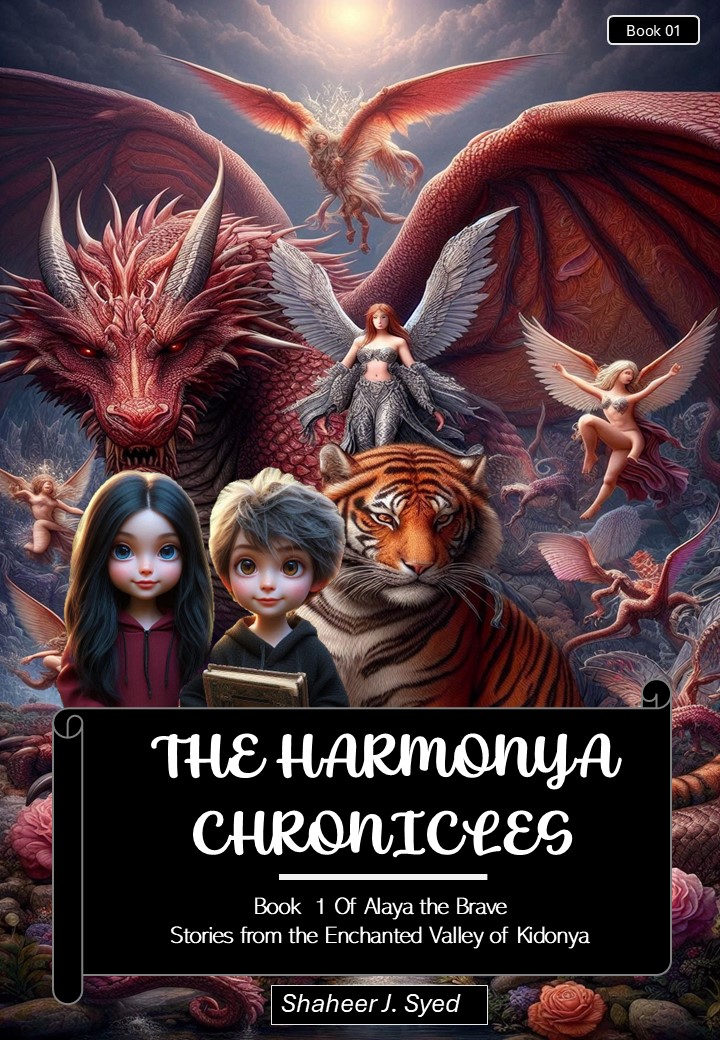
Start your Saga Journey with Book 01 of Alaya the Brave!
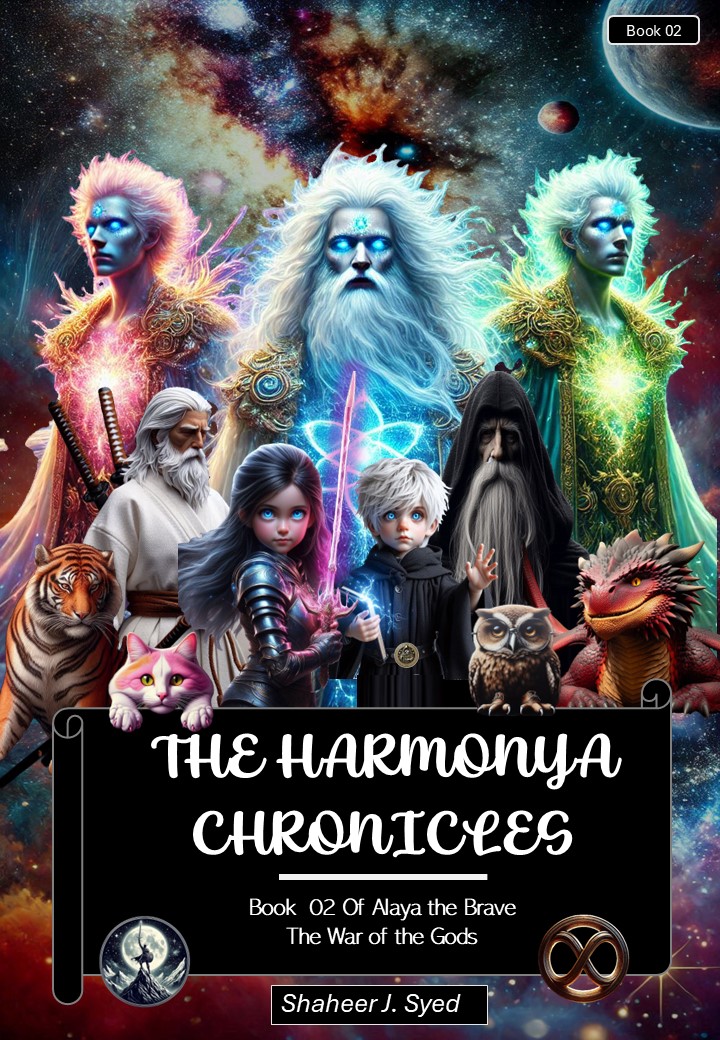
Continue your Journey with Book 02 of Alaya the Brave!
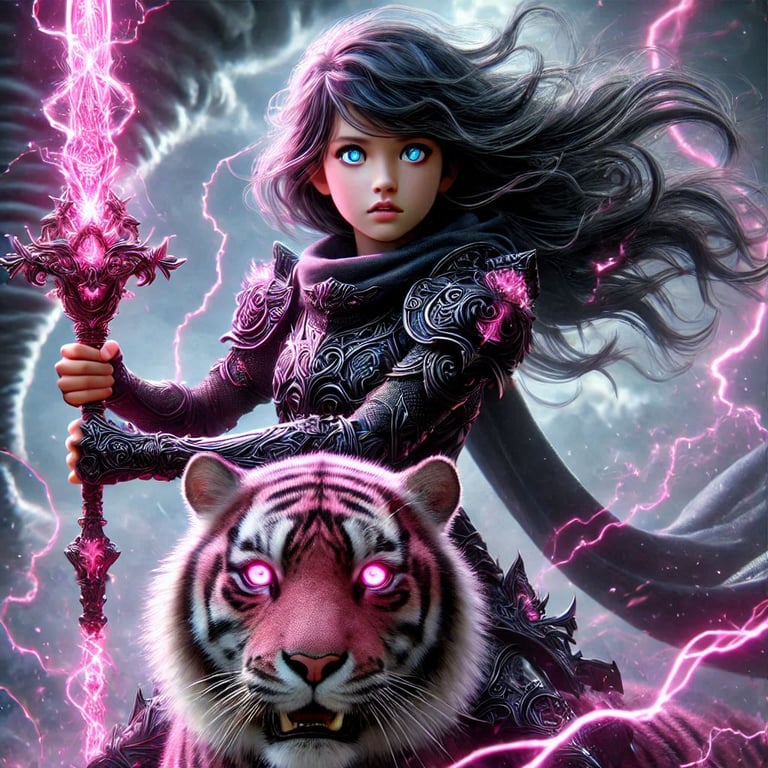
Why is Everyone Listening to "The Rise of The Storm Bringer"?
The Harmonya Chronicles Clubs!
Which warrior are you?
Join our warriors in their epic adventures today!
© 2023. All rights reserved.